-
Generating Electricity from Crystals
-
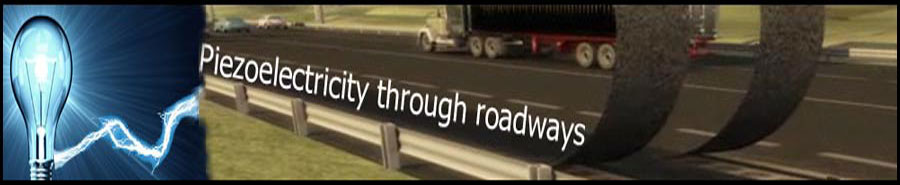
Conceptual Design of Piezo Roads
-
Versatility of Piezo Electricity

-
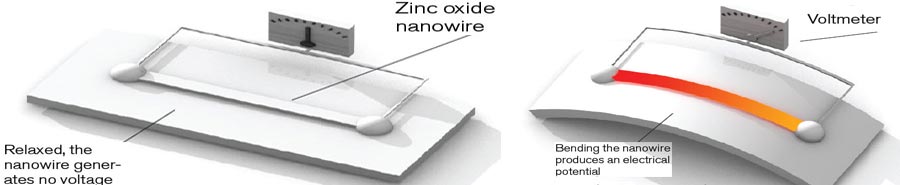
Representation of Change of Shape to generate current
-
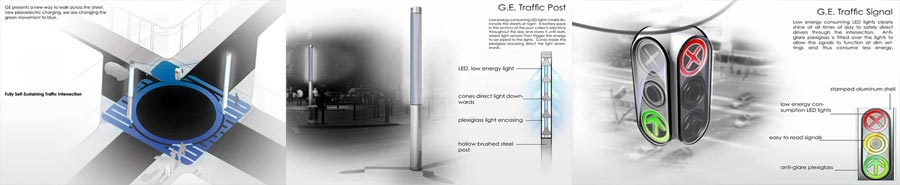
Practical Applications of Piezoelectricity





- Naturally Occuring Substances
- Naturally Occuring Biotic Substances
- Artificial Substances : Crystals
- Artificial Substances : Ceramics
- Lead Free Piezo Ceramics
Lead-free piezoceramics
More recently, there is growing concern regarding the toxicity in lead-containing devices driven by the result of restriction of hazardous substances directive regulations. To address this concern, there has been a resurgence in the compositional development of lead-free piezoelectric materials.
So far, neither the environmental impact nor the stability of supplying these substances have been confirmed.
Polymers
Polyvinylidene fluoride (PVDF):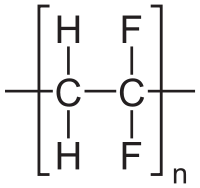 Polyvinylidene Fluoride
PVDF exhibits piezoelectricity several times greater than quartz. Unlike ceramics, where the crystal structure of the material creates the piezoelectric effect, in polymers the intertwined long-chain molecules attract and repel each other when an electric field is applied.